Description
Key Features:
-
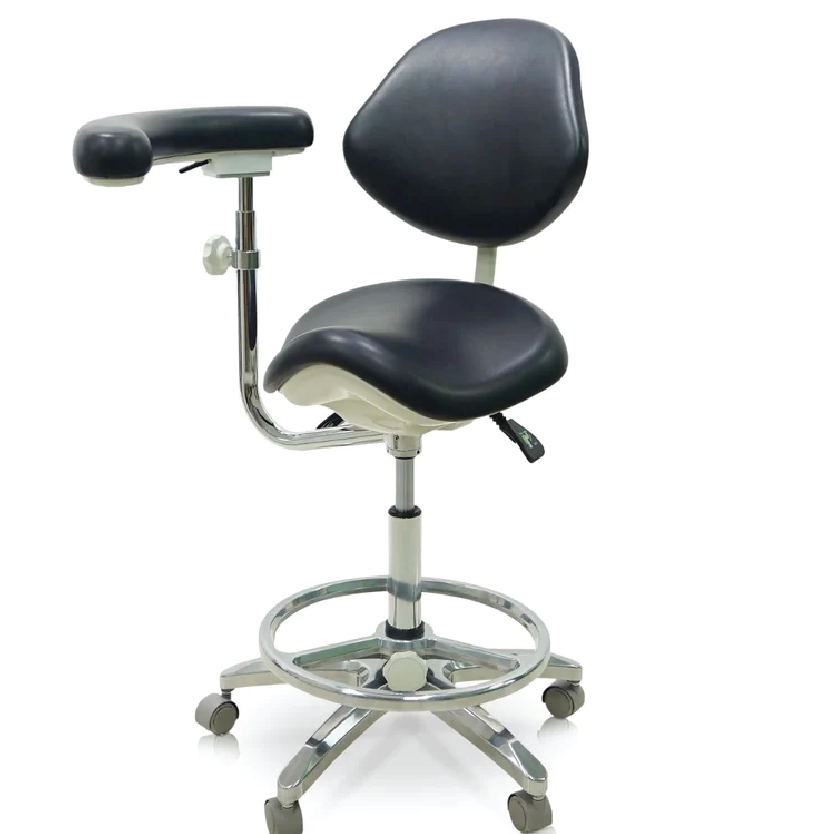
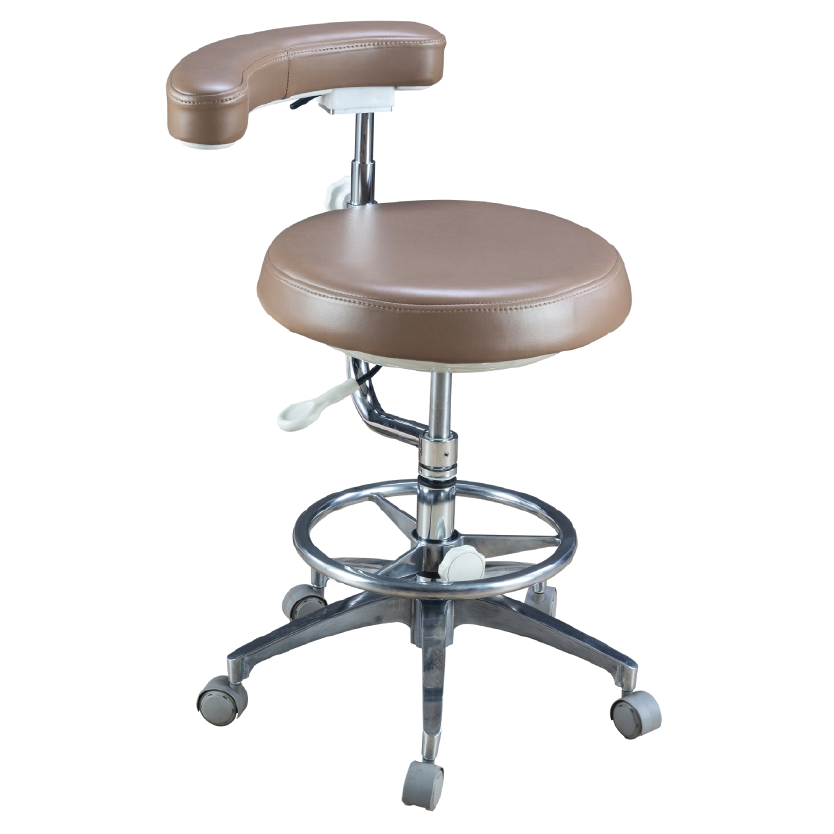
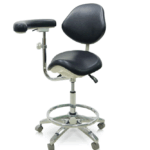
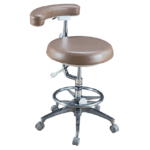
Adjustable Height:Allows the assistant to adjust their seating height to match the dentist’s height and maintain a comfortable working position, often ensuring the assistant’s hips are slightly higher than their knees.
-
Lumbar Support:Provides support for the lower back, helping to maintain a healthy posture and reduce strain during extended periods of work.
-
Seat Tilt:Some models offer a seat tilt feature, allowing the assistant to adjust the seat angle to distribute weight and reduce pressure on specific areas of the back.
-
Footrest:Many stools include a footrest to support the feet and promote proper foot positioning, which can help maintain circulation and reduce fatigue.
-
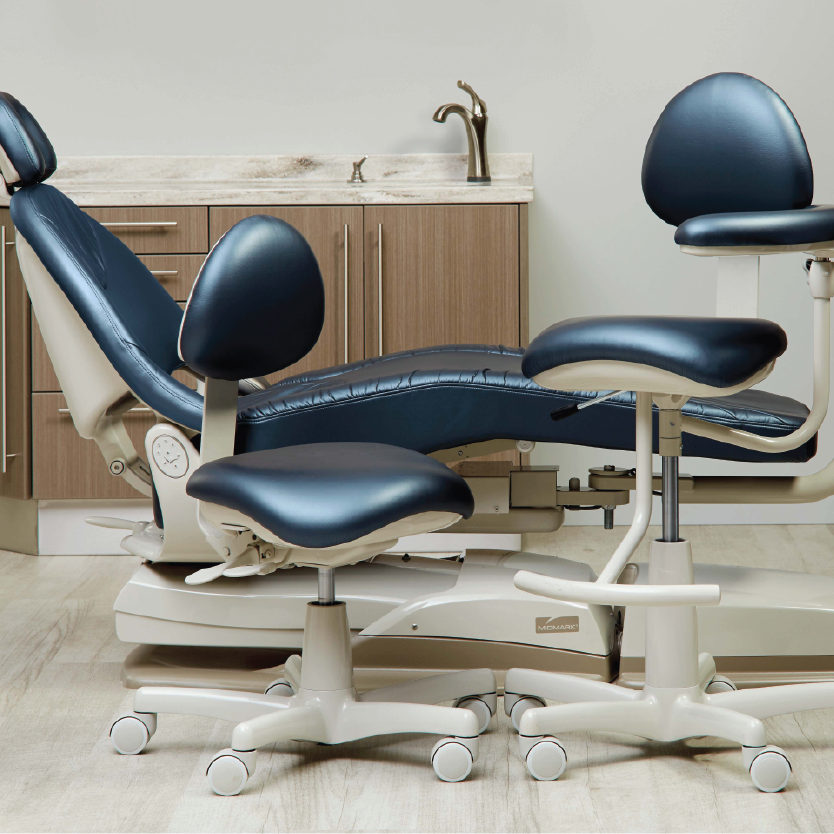
Ergonomic Design:Dental assistant stools are designed with ergonomics in mind, aiming to minimize strain and discomfort while allowing for efficient movement and access to the patient.
-
Cleanable and Disinfectable:Constructed with materials that are easy to clean and disinfect to maintain hygiene and meet infection control standards.
Benefits of Using a Dental Assistant Stool:
-
Reduced Strain and Fatigue:Proper lumbar support and adjustable height can help reduce strain and fatigue in the back, shoulders, and arms.
-
Improved Posture:Ergonomic design and adjustable features promote good posture, which can help prevent back pain and other musculoskeletal issues.
-
Increased Comfort:Comfortable seating allows the assistant to focus on their work without feeling fatigued or uncomfortable.
-
Enhanced Efficiency:Proper positioning and access to the patient’s oral cavity can improve efficiency and reduce the need for constant adjustments.